Australia is entering an important new phase for genomics and precision medicine, with growing momentum to move from research and individual programs towards clinical implementation and mainstream healthcare. InGeNA is delighted to host Dame Professor Sue Hill, Chief...
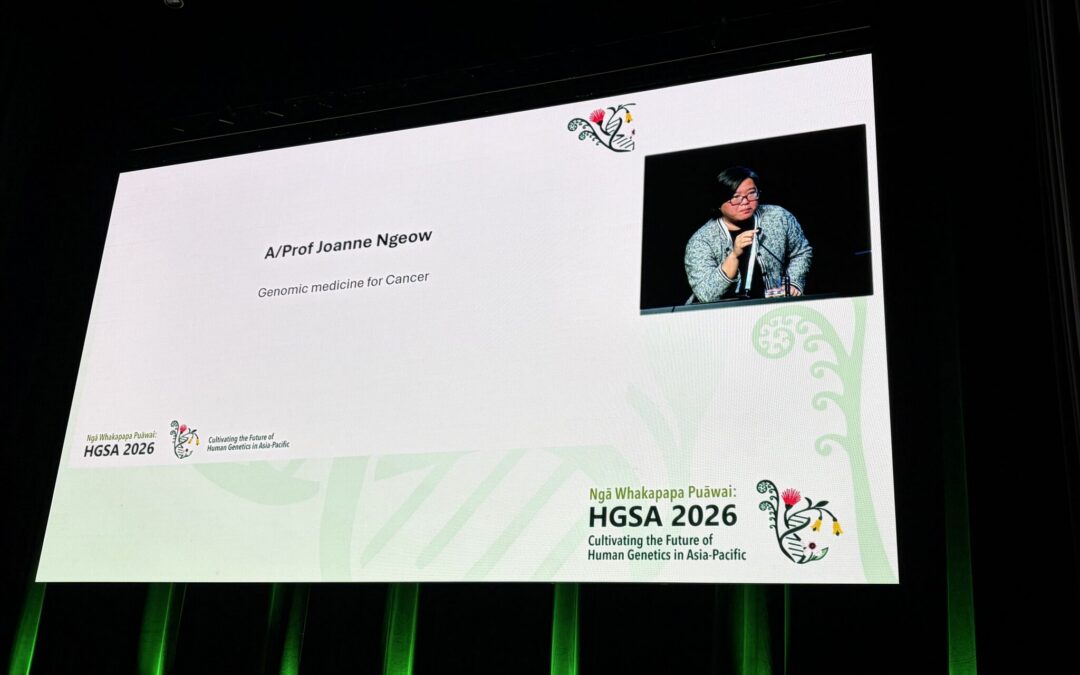
Professor Joanne Ngeow shared Singapore’s experience in building population genomics evidence and translating it into cancer prevention, clinical services and national reimbursement. Singapore’s National Precision Medicine Program began by sequencing 10,000 people,...
A Nature news feature has profiled a new wave of companies developing a different kind of gene therapy. Rather than cutting DNA, these therapies change the chemical markers that sit on it and switch genes on or off. The approach is called epigenetic editing. The...
A new study in the New England Journal of Medicine reports promising results from a CRISPR gene-editing therapy in children aged 5 to 11. The children had severe sickle cell disease or transfusion-dependent beta thalassaemia, both inherited blood disorders. HCA...
Supporting the translation of genomic results into clinical action InGeNA and HGSA are collaborating on a national project examining the presentation of therapeutic recommendations in somatic oncology next-generation sequencing reports. As precision oncology advances,...
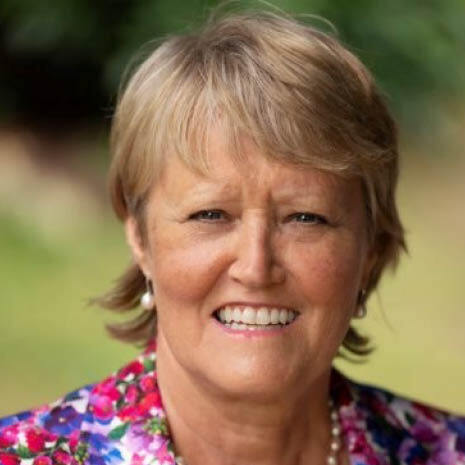
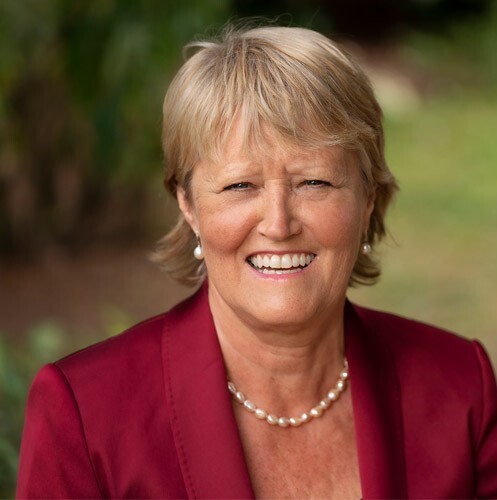
InGeNA is delighted to host Dame Professor Sue Hill, Chief Scientific Officer for England and Senior Responsible Officer for Genomics in the NHS, during her visit to Australia from 12 to 16 October 2026. Dame Professor Sue Hill has played a leading role in...