
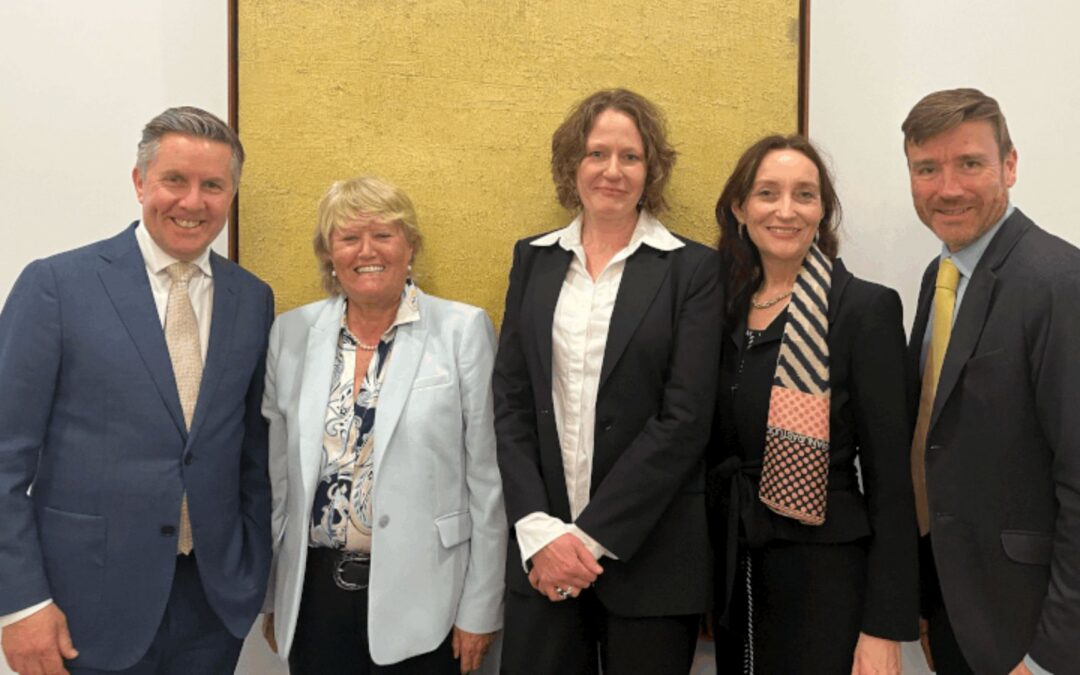
Professor Dame Sue Hill’s Australian visit brought together people who can change how genomic medicine reaches patients. Across five days in Sydney and Canberra, the programme connected senior decision-makers with clinicians, patient advocates, researchers and industry, building stronger relationships and a clearer understanding of what it takes to deliver genomics equitably and affordably.
For InGeNA, hosting Sue, England’s Chief Scientific Officer, from 12 to 16 October 2026 was a significant step in our work to make genomics part of everyday healthcare. Her generosity in sharing England’s experience gave discussions unusual depth: the choices behind national implementation, the challenges encountered and the practical changes that made progress possible. The week also established a basis for continued work with Sue on Australia’s implementation priorities.
“Genomics changes lives,” Sue told the National Press Club. The challenge running through the visit was how to make those benefits available to more people.
Connecting the people who can make change happen
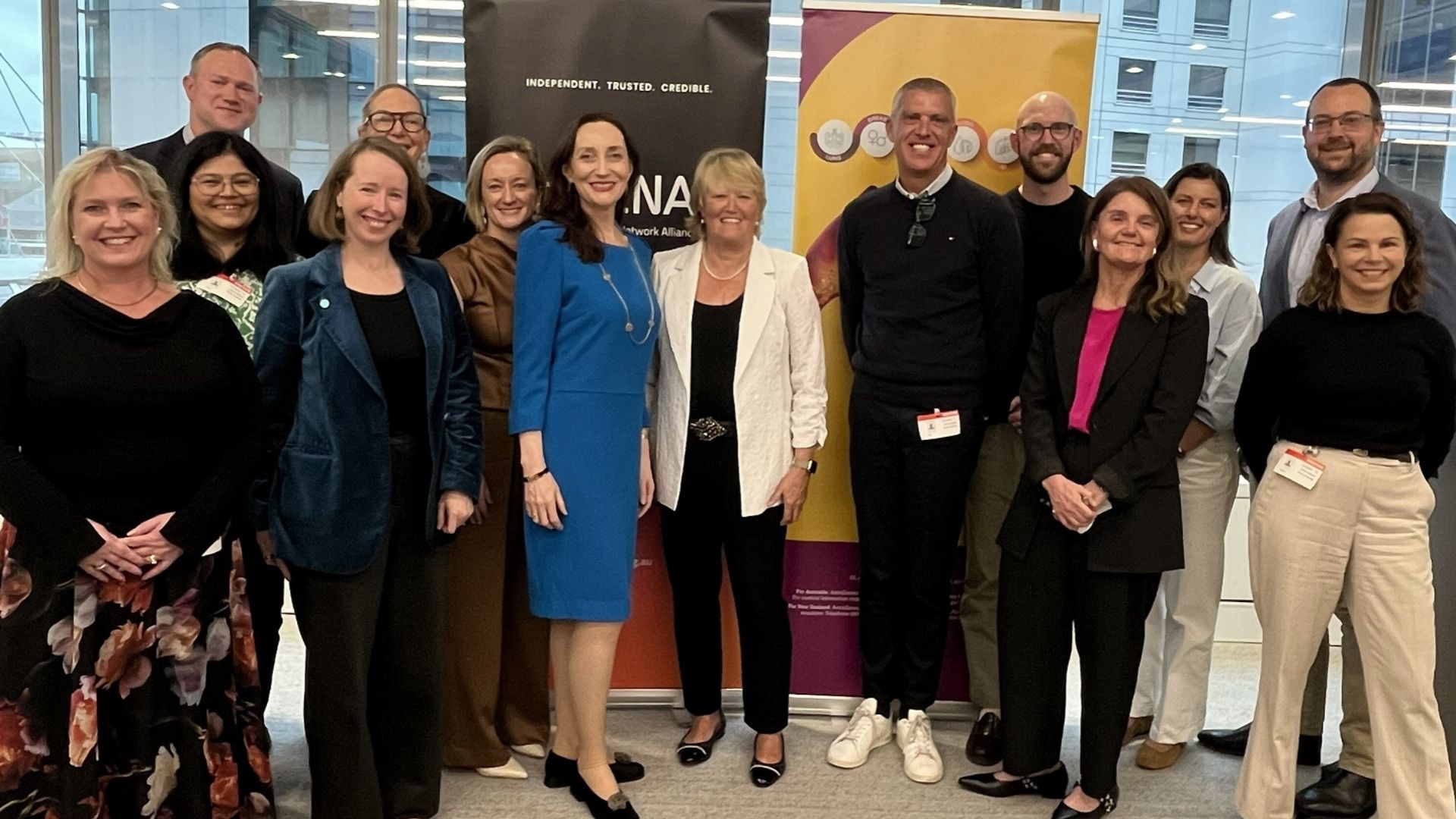 The breadth of engagement was a defining strength of the week. Sue met with Health Minister Mark Butler, Assistant Treasurer Dr Daniel Mulino and Senator Anne Ruston, alongside Genomics Australia and senior health department leaders. Discussions also included leadership of the Medical Services Advisory Committee (MSAC) and Pharmaceutical Benefits Advisory Committee (PBAC). Australia’s Chief Medical Officer, Professor Michael Kidd AO, joined the British High Commission breakfast.
These engagements connected the clinical case for genomics with the decisions that shape access, assessment, public investment and delivery. Leading clinicians, patient advocates, digital health leaders, researchers and industry contributed throughout the programme, bringing different perspectives on what patients and services need.
The National Press Club address was a particular highlight. Delivered alongside the Excellence in Health Journalism Awards, it brought the case for genomic medicine to journalists, policymakers and patient organisations, with powerful examples of what earlier diagnosis and more informed care can mean for families. Our sincere thanks to the National Press Club of Australia, Omico and Rare Cancers Australia for this partnership. We especially thank Katie Ellis and Donna Edman for their initiative and support in helping make this event possible.
The Sydney public forum, hosted by Amazon Web Services (AWS), opened the discussion to a wider audience. Together, the two public events recorded 240 in-person attendances. The welcome dinner, British High Commission breakfast, Digital Genomics Leaders Dinner and clinical leaders lunch created further opportunities to explore the decisions behind implementation and build relationships across the sector.
Practical lessons for better care
Across the presentations and discussions, several messages returned consistently.
A national ambition needs a clear path to delivery. Sue challenged Australia to be ambitious about what genomics should achieve for patients, and to connect that ambition with responsibility, funding and measurable progress. England’s experience demonstrated how national coordination and consistent standards can support services delivered close to patients. Australia has the opportunity to adapt those lessons to our own health system and communities.
Health reform and industry growth need to be planned together. At the British High Commission breakfast, Sue highlighted the deliberate alignment of England’s ten-year health plan with the UK’s Life Sciences Sector Plan. Better health and economic growth are shared objectives, with industry, research and the health system working together on the evidence, technologies and adoption pathways needed to deliver them. For Australia, this is a powerful lesson in connecting our ambitions for genomic healthcare with industry development and investment.
Specialist genomic centres enable quality and affordable scale. A central lesson from the 100,000 Genomes Project was the need to move from distributed, variable provision to coordinated specialist genomic services. Sue explained how England consolidated delivery into seven regional Genomic Medicine Services, with seven genomic laboratory hubs at their core. Concentrating specialist expertise, technology and testing volumes enabled consistent standards, higher throughput and more effective use of infrastructure and funding. This structural change was fundamental to achieving quality, scale and affordability. For Australia, it highlights the importance of designing specialist genomic services capable of delivering at scale, connected to clinical care close to patients.
Networks of Excellence give industry a direct role in bringing innovation into care. The NHS Genomic Networks of Excellence bring specialist clinical centres together with researchers, industry, patient groups and charities around areas of clinical need. Industry contributes technologies, expertise and investment, working with these partners to generate evidence and develop approaches that can be adopted across the health service. Sue’s examples included rapid genomic analysis in brain cancer and genomic testing for severe respiratory infections. These collaborations connect research with clinical evaluation and implementation, creating a practical route for innovations to reach patients at scale.
Assessment and funding need to connect with clinical access. England’s National Genomic Test Directory provided a practical example. It sets out the funded testing offer, eligibility and technology requirements, and connects them with service delivery and review. The discussions reinforced the value of examining this approach for Australia, alongside health technology assessment (HTA) and our different funding pathways. The purpose is a system that can respond to evidence and innovation while providing more consistent access.
Digital infrastructure and workforce capability need early investment. Genomic information must be securely connected with clinical records, available when decisions are made and able to be revisited as knowledge evolves. Clinicians also need the skills and support to order appropriate tests, interpret results and act on them. Sue’s examples showed why digital systems, specialist expertise and education across the wider workforce need to develop together with services.
Patient benefit must guide the whole pathway. A diagnosis can bring answers, guide care and help relatives understand their risks, including when there is no new targeted medicine. Patient advocates kept these wider benefits firmly in view, alongside the need for support after testing. Public trust, meaningful participation and equitable access are essential to implementation. Connecting research with routine care also enables new evidence to improve what patients can receive.
These lessons reinforce InGeNA’s role in bringing industry expertise together with government, clinical and community perspectives to support practical changes in how genomic medicine is delivered.
A foundation for continued collaboration
 A significant milestone during the visit was the signing of a Memorandum of Understanding between NHS England and the Australian Government, represented by Genomics Australia. It provides a framework for sharing knowledge and expertise, creating opportunities for Australia to build on implementation experience and investment in England.
Alongside this government partnership, Sue agreed to continue working with InGeNA to support clinical adoption in Australia. Shared priorities include HTA and regulatory access, digital and genomic data management, and workforce and training. These priorities closely reflect the practical changes InGeNA has been advocating for.
The reflections participants shared afterwards showed how strongly the visit resonated. Educators highlighted workforce development; patient advocates emphasised the opportunity for testing to benefit families; and digital leaders reflected on the infrastructure needed to support genomics throughout healthcare. Sue’s own reflection celebrated the relationships strengthened and the value of learning from one another.
The visit has given us stronger connections and a clearer focus for the work ahead. InGeNA will build on that momentum through continued engagement with Sue, government, members and partners, including the roundtables planned for early 2027.
Thank you to everyone who made the visit possible
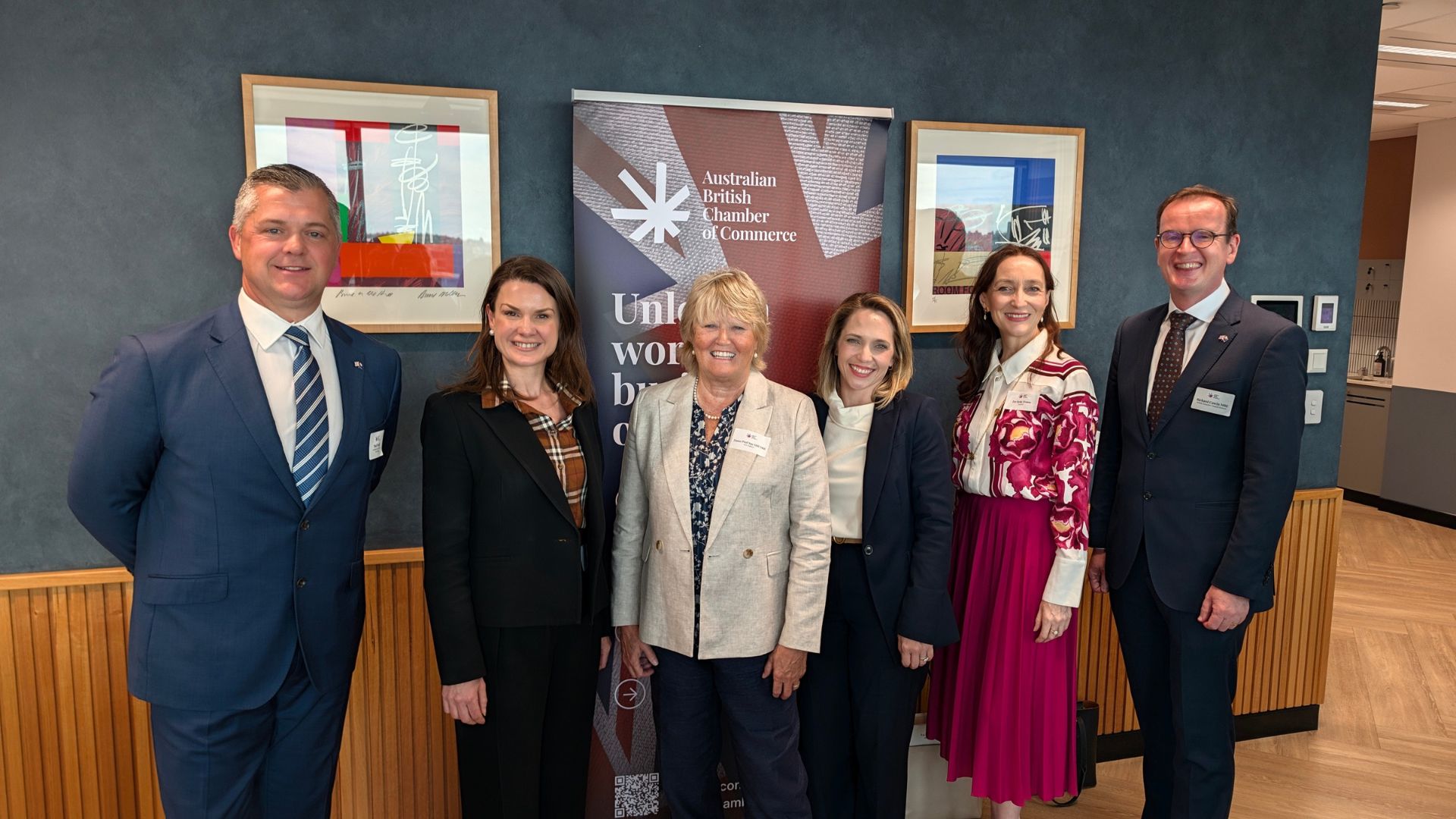
We warmly thank the British High Commission, the British Consulate-General, the Australian British Chamber of Commerce and the UK Department for Business, Innovation, Science and Trade for their partnership and support. Special thanks to Richard Cowin MBE, British Consul General for Queensland and the Northern Territory and Country Director for Trade and Investment, Australia, for hosting the clinical leaders lunch. These partnerships brought diplomatic, trade, health and industry perspectives into the programme and strengthened the connections between Australia and the UK. We also thank Tiffany Boughtwood and Genomics Australia for their collaboration throughout the visit.
Our sincere thanks to our sponsors:
- Platinum: AstraZeneca
- Gold: Oxford Nanopore Technologies and Amazon Web Services (AWS)
- Silver: Illumina and TrakGene
- Bronze: Genomical and the Human Genetics Society of Australasia (HGSA)
Special thanks to Oxford Nanopore Technologies for supporting the welcome dinner, AWS for hosting the public forum and supporting the digital dinner, and AstraZeneca for supporting the clinical leaders lunch.
To our patient advocates, speakers, participants, InGeNA board, team and members: thank you for the expertise, openness and commitment you brought to the week. Above all, thank you, Sue, for your warmth, energy and willingness to share the experience behind the NHS’s progress. You have helped us see more clearly what is possible and what it will take to deliver it for Australians and their families.
Watch Sue’s National Press Club address on scaling clinical genomics